
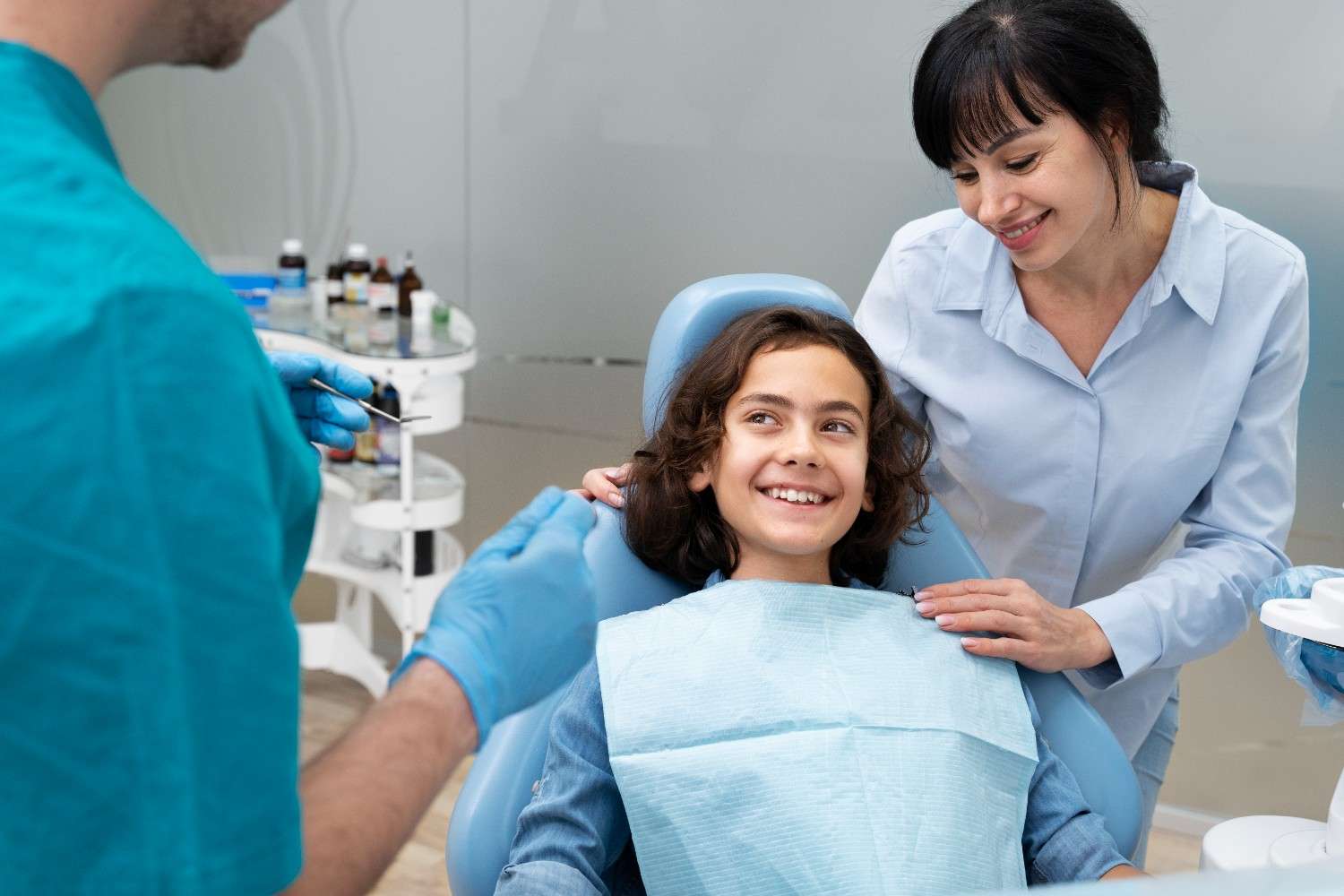
Choosing whether to save or remove a damaged tooth has long-term effects on oral health, comfort, and daily function. For patients exploring options with a dentist tigard residents rely on, preserving natural teeth often supports better bite balance, jaw health, and long-term stability than extraction alone. While extractions may sometimes be necessary, modern dentistry focuses on conservative treatments that protect natural tooth structure whenever possible. Understanding how tooth preservation compares to extraction helps Tigard patients make informed decisions that support lifelong oral health.
Why Natural Teeth Play a Critical Role in Oral Health
Natural teeth are designed to work together as a system. Each tooth supports proper chewing, speech, and bite alignment. When a tooth is removed, the balance of this system can change. Over time, nearby teeth may shift, the bite can become uneven, and jawbone density may decrease.
At Total Health Dental, many patients are surprised to learn how much impact a single missing tooth can have. Preserving natural teeth whenever possible helps maintain jaw stability and reduces the likelihood of needing complex restorative solutions later. A best dentist in Tigard will always evaluate whether a tooth can be saved before recommending extraction.
Why Extraction Is Not Always the Best First Option
Extraction is sometimes necessary due to severe infection, advanced decay, or trauma. However, removing a tooth also creates new challenges. Without replacement, gaps can affect chewing efficiency and place extra stress on remaining teeth.
Even when replacement options like dental implants tigard, OR patients consider are available, preserving the original tooth often leads to better long-term outcomes. Conservative dentistry aims to protect healthy tooth structure while addressing the underlying problem rather than removing the tooth altogether.
How Tooth Preservation Supports Bite Alignment
Your bite depends on the way upper and lower teeth come together. Removing one tooth can alter how forces are distributed during chewing. Over time, this imbalance may lead to jaw discomfort, uneven wear, or cracked teeth.
Preserving natural teeth helps maintain proper bite alignment and reduces unnecessary stress on surrounding teeth. For patients searching for a dentist near me,tigard, OR understanding bite health can prevent future complications that stem from tooth loss.
The Impact on Jawbone Health
Teeth stimulate the jawbone during chewing. When a tooth is lost, the bone in that area no longer receives stimulation and may begin to shrink. This process, known as bone resorption, can change facial structure and affect neighboring teeth.
Keeping natural teeth intact helps preserve jawbone density. While implants can help maintain bone after extraction, avoiding tooth loss altogether is often the simplest way to protect jaw health.
Preserving Teeth Reduces the Need for Complex Treatments
Saving a natural tooth often prevents the need for additional dental procedures. Extractions frequently lead to discussions about replacements such as implants, bridges, or dentures. Each of these options requires planning, healing time, and ongoing care.
By preserving teeth through treatments like fillings, crowns, or root canal therapy, patients often avoid extended treatment timelines. A dentist tigard patients trust will consider the least invasive solution that still protects long-term health.
Comfort and Function in Everyday Life
Natural teeth provide a level of comfort that restorations strive to replicate. Patients who keep their own teeth often report better chewing efficiency and fewer adjustments compared to replacement options.
Preservation allows patients to eat a wider variety of foods with confidence. Maintaining natural teeth also supports clearer speech and a more natural feel during daily activities.
When Extraction May Be Necessary
Despite the benefits of preservation, there are situations where extraction becomes the safest option. Severe infections that threaten surrounding teeth or overall health may require removal. Fractures extending below the gumline can also make restoration difficult.
In emergency situations, such as acute pain or swelling, an emergency dentist Tigard, OR may need to act quickly. Even then, dentists carefully evaluate whether the tooth can be stabilized or treated before recommending extraction.
Comparing Tooth Preservation to Replacement Options
Replacement options like implants and bridges are effective when teeth cannot be saved. Affordable dental implants tigard residents explore can restore function and appearance, but they still involve surgery and healing time.
Preserving natural teeth avoids these additional steps. When restoration is possible, it often leads to simpler maintenance and fewer long-term risks. Dentists weigh factors such as tooth structure, gum health, and overall oral condition when recommending treatment.
Long-Term Cost Considerations
While extraction may seem less expensive initially, replacement costs can add up over time. Implants, crowns, and ongoing maintenance represent long-term investments.
Preserving teeth often reduces cumulative costs by limiting the need for multiple procedures. Preventive care and early intervention play a major role in keeping treatment manageable and affordable.
How Preventive Care Helps Avoid Extraction
Regular dental visits allow dentists to catch problems early. Small cavities, cracks, or gum issues can often be treated before they worsen. Routine exams help identify stress points in the bite that could lead to fractures.
Patients who maintain consistent oral hygiene and attend regular checkups lower their risk of tooth loss significantly. Preventive care supports tooth preservation and reduces the likelihood of emergency situations.
The Role of Modern Dentistry in Tooth Preservation
Advancements in dental technology have expanded preservation options. Improved imaging, stronger materials, and refined techniques allow dentists to save teeth that once may have been extracted.
From crowns that reinforce weakened teeth to targeted treatments that stop infection, modern dentistry focuses on protecting what nature provided whenever possible.
Emotional and Psychological Benefits
Keeping natural teeth often supports confidence and peace of mind. Patients may feel more comfortable knowing their smile remains intact without relying on replacements.
Preservation also reduces anxiety associated with surgical procedures. Many patients appreciate avoiding extraction when a viable alternative exists.
Benefits of Preserving Natural Teeth
- Maintains natural bite alignment
- Supports jawbone health
- Reduces need for complex restorations
- Enhances comfort during eating and speaking
- Preserves long-term oral stability
What to Expect During a Tooth Evaluation
A comprehensive evaluation includes imaging, bite analysis, and discussion of symptoms. Dentists assess whether decay or damage can be treated conservatively. Patients receive clear explanations of options and outcomes.
When preservation is possible, treatment plans focus on strengthening the tooth and preventing future issues. If extraction is necessary, dentists explain replacement options and next steps carefully.
Local Patient Review
“I appreciated that my dentist explained every option instead of jumping straight to extraction. Saving my tooth made recovery much easier.”
Frequently Asked Questions
Is saving a tooth always better than extraction?
In many cases, yes. Preserving natural teeth often supports better long-term oral health.
Can badly decayed teeth still be saved?
Sometimes. Dentists evaluate the extent of damage before deciding.
Does extraction affect nearby teeth?
Yes. Neighboring teeth may shift if a tooth is not replaced.
Are root canals a form of tooth preservation?
Yes. They remove infection while keeping the tooth structure intact.
What happens if I delay treatment?
Delaying care can increase the risk of extraction becoming necessary.
Can preserved teeth last a lifetime?
With proper care, many preserved teeth function well for decades.
Is emergency care different when saving a tooth?
Emergency care focuses on stabilizing pain and infection before deciding on treatment.
A Better Smile Starts With the Right Care
Deciding whether to preserve a natural tooth or proceed with extraction is an important choice. Conservative care often protects comfort, function, and long-term oral health. With guidance from Total Health Dental, OR Tigard patients can make confident decisions that prioritize preserving their natural smile whenever possible.